About Bovine Viral Diarrhea Virus PCR - Tissue
When a project requires Bovine Viral Diarrhea Virus PCR, the important question is not only whether a laboratory can produce a number, but whether the result truly represents Tissue. This test addresses specific molecular evidence associated with the requested organism or genetic target and is commonly relevant to animal disease investigation, herd or flock health management, surveillance and veterinary clinical decision support. A representative sample, appropriate controls and a method suited to the matrix are therefore central to the service.
A typical technical approach is PCR/qPCR, digital PCR or sequencing as appropriate. The exact instrument, standard, extraction, digestion, calibration model, culture condition, reagent system or specimen-processing step may differ according to the receiving laboratory's validated scope. Where an ASTM, ISO, IEC, EPA, FDA, pharmacopeial, clinical, customer or in-house method is mandatory, that requirement should be stated when the test is booked. The laboratory should also confirm that its working range, selectivity, detection capability and quality-control scheme are appropriate for the expected level of Bovine Viral Diarrhea Virus PCR. Results produced outside a validated range may require dilution, repeat preparation, a different specimen quantity or a more sensitive method.
Sample quality is especially important. Submit approximately 0.5–2 g or 5–10 FFPE sections of Tissue / FFPE / device specimen as applicable, unless the laboratory specifies a different minimum after reviewing the method. The sample should represent the batch, location, patient, product, process stream or experimental condition that the customer actually wants to evaluate. Where the material is heterogeneous, replicate increments or a documented composite may be more defensible than a single convenient grab sample. Contamination, evaporation, moisture change, degradation, microbial growth, inappropriate anticoagulant, adsorption to the container, or alteration during transport can create a result that is analytically precise but not representative of the original material.
If the initial result is unexpected, the most useful next step is usually to review sampling, preservation, method suitability, controls and specification before automatically requesting a retest. A repeat on the same compromised sample may reproduce the same bias. When practical, reserve material or an independently collected sample can strengthen an investigation.
For this exact catalogue entry, identify the request as “Bovine Viral Diarrhea Virus PCR” and the matrix as “Tissue”. If the project involves multiple samples, keep the naming scheme consistent so the result for one specimen cannot be confused with another. Tell the laboratory about known interferents, treatments, formulation ingredients, service history or unusual sample conditions that could affect PCR/qPCR, digital PCR or sequencing as appropriate. The AnalysisAfrica listing should be used to arrange the test and sample logistics; the receiving laboratory remains responsible for confirming the final analytical procedure, sample acceptance and reportable scope. Catalogue quality-control reference AA-DESC-04136 distinguishes this description and its handling assumptions from other tests in the import set.
Sample & Submission Guide
Sample amount / volume0.5–2 g or 5–10 FFPE sections or lesser
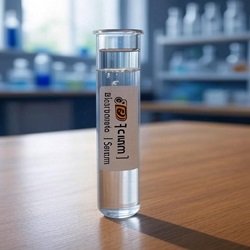
How to package the sampleFor Bovine Viral Diarrhea Virus PCR, submit 0.5–2 g or 5–10 FFPE sections of a representative Tissue / FFPE / device specimen as applicable in a clean, dry, tightly sealed and chemically compatible container or protective package. Keep the material in the condition relevant to the requested measurement, label it AA-04136 with source, batch and sampling date, and separate multiple samples so they cannot mix or abrade each other. Protect against heat, sunlight, moisture change, evaporation or mechanical damage where these can influence PCR/qPCR, digital PCR or sequencing as appropriate. Declare known hazards and provide the applicable specification before dispatch. If AnalysisAfrica or the receiving laboratory supplies a dedicated collection kit, transport medium or specimen geometry for Bovine Viral Diarrhea Virus PCR, that requirement takes precedence over this general guidance.
How to submit or send the sample- Pickup from your location
- Drop-off at a collection centre
Current pickup areas: Any Park around Ojuelegba - Yaba (Lagos, Nigeria), Any Park around Ota (Ogun State, Nigeria)
Collection centres: 104 Western Avenue; Suite C1, God's promise complex, Bells bus stop, Ota
Laboratory operating hoursMon 3 - Fri 2
Other important instructionsFor Bovine Viral Diarrhea Virus PCR, state the clinical or veterinary reason for testing and provide the specimen type, collection time and relevant history needed by the laboratory. Do not stop prescribed medicines or supplements merely to prepare for the test unless the treating clinician or laboratory gives explicit instructions. State symptom onset, relevant antimicrobial or antiviral treatment and specimen site where applicable; target detection does not always distinguish active disease from residual nucleic acid. The selected procedure is expected to use PCR/qPCR, digital PCR or sequencing as appropriate; confirm the exact platform, analytical range and reference or decision limits if the result is required for a specific protocol. Results must be interpreted together with clinical findings and other appropriate investigations, not as a stand-alone diagnosis. If repeat or serial testing is intended, use comparable collection conditions and identify the sequence clearly. Reference record: AA-QA-04136.
Questions About Bovine Viral Diarrhea Virus PCR - Tissue
How much does Bovine Viral Diarrhea Virus PCR - Tissue cost?
The test price is ₦73,500. The amount shown on this page is the current test price before any eligible discount, delivery or collection charge.
How long does Bovine Viral Diarrhea Virus PCR - Tissue take?
The current estimated result delivery time is 10 days. Actual timing can depend on sample condition, preparation and laboratory workflow.
How much sample is required for Bovine Viral Diarrhea Virus PCR - Tissue?
The sample requirement shown by the laboratory is: 0.5–2 g or 5–10 FFPE sections.
How should I package a sample for Bovine Viral Diarrhea Virus PCR - Tissue?
For Bovine Viral Diarrhea Virus PCR, submit 0.5–2 g or 5–10 FFPE sections of a representative Tissue / FFPE / device specimen as applicable in a clean, dry, tightly sealed and chemically compatible container or protective package. Keep the material in the condition relevant to the requested measurement, label it AA-04136 with source, batch and sampling date, and separate multiple samples so they cannot mix or abrade each other. Protect against heat, sunlight, moisture change, evaporation or mechanical damage where these can influence PCR/qPCR, digital PCR or sequencing as appropriate. Declare known hazards and provide the applicable specification before dispatch. If AnalysisAfrica or the receiving laboratory supplies a dedicated collection kit, transport medium or specimen geometry for Bovine Viral Diarrhea Virus PCR, that requirement takes precedence over this general guidance.
How can I send or submit my sample?
Allschoolabs currently accepts sample submission by Pickup from your location or Drop-off at a collection centre. Pickup areas currently listed in the booking database include Any Park around Ojuelegba - Yaba (Lagos, Nigeria), Any Park around Ota (Ogun State, Nigeria). Available collection centre information includes 104 Western Avenue; Suite C1, God's promise complex, Bells bus stop, Ota. Click the "Add to cart" button to continue booking and enter sample details.