About PCP Quantitative Test - Whole Blood
PCP Quantitative Test is a laboratory test used to evaluate the requested biomarker or biological characteristic in the submitted specimen. The service is designed for exposure assessment, therapeutic drug monitoring, poisoning investigation and forensic toxicology. In this listing, the submitted material is Whole Blood, and the laboratory is expected to select or confirm a validated procedure that is technically suitable for that matrix.
A typical technical approach is Validated laboratory method appropriate to the measurand, matrix and applicable standard. The exact instrument, standard, extraction, digestion, calibration model, culture condition, reagent system or specimen-processing step may differ according to the receiving laboratory's validated scope. Where an ASTM, ISO, IEC, EPA, FDA, pharmacopeial, clinical, customer or in-house method is mandatory, that requirement should be stated when the test is booked. The laboratory should also confirm that its working range, selectivity, detection capability and quality-control scheme are appropriate for the expected level of PCP Quantitative Test. Results produced outside a validated range may require dilution, repeat preparation, a different specimen quantity or a more sensitive method.
Sample quality is especially important. Submit approximately 2–4 mL of Whole blood, unless the laboratory specifies a different minimum after reviewing the method. The sample should represent the batch, location, patient, product, process stream or experimental condition that the customer actually wants to evaluate. Where the material is heterogeneous, replicate increments or a documented composite may be more defensible than a single convenient grab sample. Contamination, evaporation, moisture change, degradation, microbial growth, inappropriate anticoagulant, adsorption to the container, or alteration during transport can create a result that is analytically precise but not representative of the original material.
The final report should identify the sample, method or method family, result, units and any relevant reporting or quantification limit. For compliance work, the customer should provide the applicable specification so the laboratory can avoid making an unsupported pass/fail judgement. For research work, raw or supporting data may also be useful for statistical analysis, comparison across treatments or publication.
For this exact catalogue entry, identify the request as “PCP Quantitative Test” and the matrix as “Whole Blood”. If the project involves multiple samples, keep the naming scheme consistent so the result for one specimen cannot be confused with another. Tell the laboratory about known interferents, treatments, formulation ingredients, service history or unusual sample conditions that could affect Validated laboratory method appropriate to the measurand, matrix and applicable standard. The AnalysisAfrica listing should be used to arrange the test and sample logistics; the receiving laboratory remains responsible for confirming the final analytical procedure, sample acceptance and reportable scope. Catalogue quality-control reference AA-DESC-05310 distinguishes this description and its handling assumptions from other tests in the import set.
Sample & Submission Guide
Sample amount / volume2–4 mL or lesser
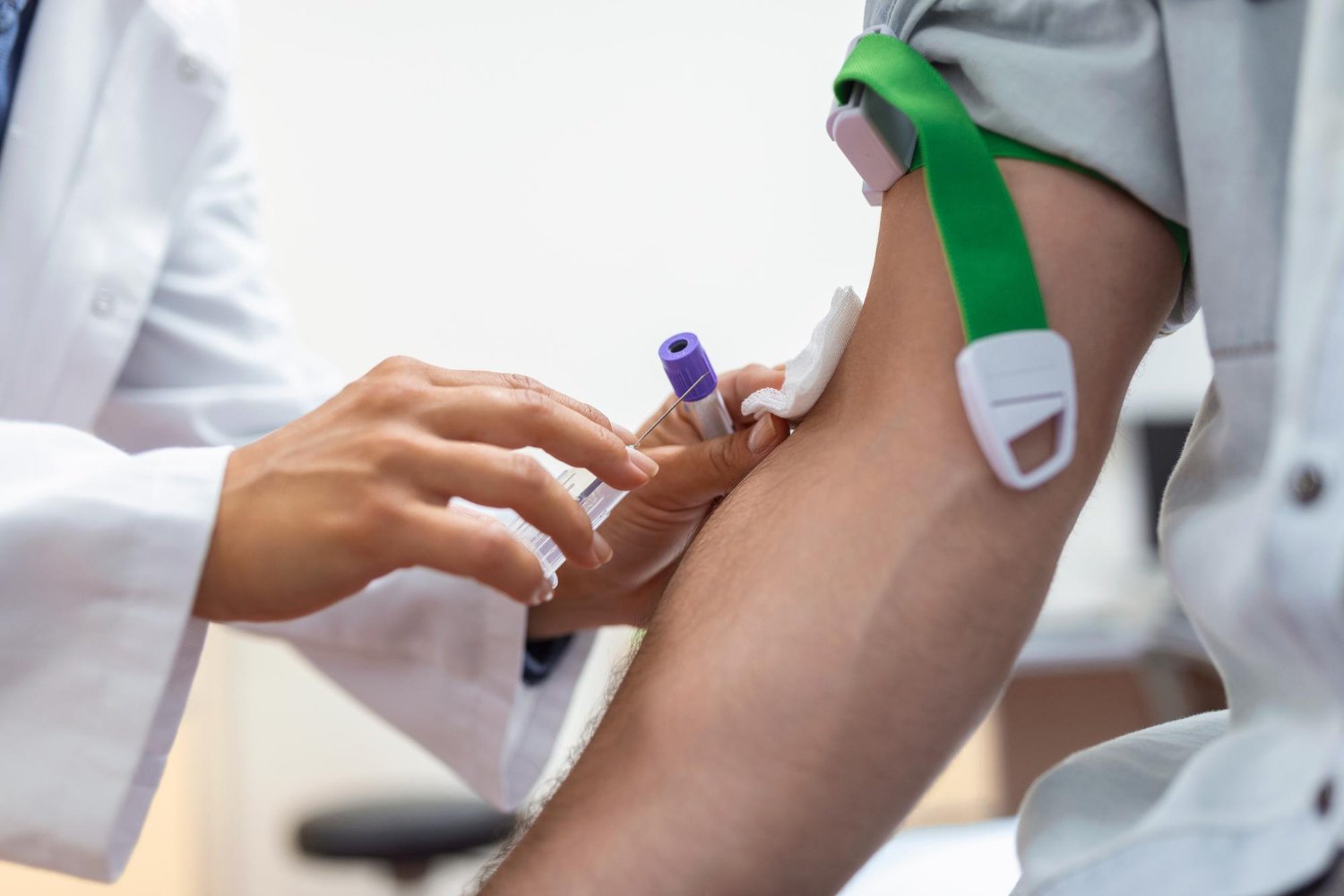
How to package the sampleFor PCP Quantitative Test, collect approximately 2–4 mL into the EDTA or method-specified whole-blood tube required by the receiving method. Follow correct order of draw, fill to the specified level and mix anticoagulated tubes gently by inversion rather than shaking. Label the tube AA-05310 with patient identifier, specimen type and collection date/time. Where serum or plasma separation is required, centrifuge within the validated pre-analytical interval and transfer only if the laboratory permits. Keep the primary tube capped, upright and inside a sealed biohazard bag with absorbent material. Protect it from heat, direct sunlight and inappropriate freezing; transport at the temperature and within the stability window specified for PCP Quantitative Test. Grossly haemolysed, clotted, underfilled or leaking specimens may be unsuitable depending on the assay.
How to submit or send the sample- Pickup from your location
- Drop-off at a collection centre
Current pickup areas: Any Park around Ojuelegba - Yaba (Lagos, Nigeria), Any Park around Ota (Ogun State, Nigeria)
Collection centres: 104 Western Avenue; Suite C1, God's promise complex, Bells bus stop, Ota
Laboratory operating hoursMon 3 - Fri 2
Other important instructionsFor PCP Quantitative Test, state the clinical or veterinary reason for testing and provide the specimen type, collection time and relevant history needed by the laboratory. Do not stop prescribed medicines or supplements merely to prepare for the test unless the treating clinician or laboratory gives explicit instructions. The selected procedure is expected to use Validated laboratory method appropriate to the measurand, matrix and applicable standard; confirm the exact platform, analytical range and reference or decision limits if the result is required for a specific protocol. Results must be interpreted together with clinical findings and other appropriate investigations, not as a stand-alone diagnosis. If repeat or serial testing is intended, use comparable collection conditions and identify the sequence clearly. Reference record: AA-QA-05310.
Questions About PCP Quantitative Test - Whole Blood
How much does PCP Quantitative Test - Whole Blood cost?
The test price is ₦38,500. The amount shown on this page is the current test price before any eligible discount, delivery or collection charge.
How long does PCP Quantitative Test - Whole Blood take?
The current estimated result delivery time is 3 days. Actual timing can depend on sample condition, preparation and laboratory workflow.
How much sample is required for PCP Quantitative Test - Whole Blood?
The sample requirement shown by the laboratory is: 2–4 mL.
How should I package a sample for PCP Quantitative Test - Whole Blood?
For PCP Quantitative Test, collect approximately 2–4 mL into the EDTA or method-specified whole-blood tube required by the receiving method. Follow correct order of draw, fill to the specified level and mix anticoagulated tubes gently by inversion rather than shaking. Label the tube AA-05310 with patient identifier, specimen type and collection date/time. Where serum or plasma separation is required, centrifuge within the validated pre-analytical interval and transfer only if the laboratory permits. Keep the primary tube capped, upright and inside a sealed biohazard bag with absorbent material. Protect it from heat, direct sunlight and inappropriate freezing; transport at the temperature and within the stability window specified for PCP Quantitative Test. Grossly haemolysed, clotted, underfilled or leaking specimens may be unsuitable depending on the assay.
How can I send or submit my sample?
Allschoolabs currently accepts sample submission by Pickup from your location or Drop-off at a collection centre. Pickup areas currently listed in the booking database include Any Park around Ojuelegba - Yaba (Lagos, Nigeria), Any Park around Ota (Ogun State, Nigeria). Available collection centre information includes 104 Western Avenue; Suite C1, God's promise complex, Bells bus stop, Ota. Click the "Add to cart" button to continue booking and enter sample details.