





test search
Antioxidant Activity Testing
Add functional antioxidant assays where they fit the study objective.
Find Test →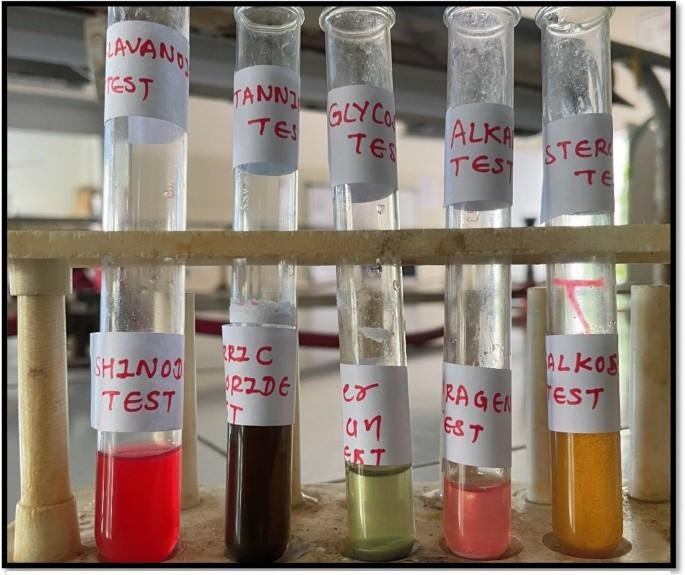
Lab: Allschoolabs Verified Lab · 7 day(s) estimated delivery · 42 views
For questions, please
.
We maintain strict confidentiality. We do not fabricate, alter, or manipulate results.
Whether you're a researcher, student, herbal medicine manufacturer, pharmaceutical company or natural product developer, understanding the chemical constituents of your plant materials is an important step in your research or product development. Our Phytochemical Screening & Assay service helps you identify and, where required, quantify the bioactive compounds present in your plant samples.
At AnalysisAfrica, we carry out both qualitative phytochemical screening and quantitative phytochemical assays using established laboratory methods. We can identify and determine the levels of important plant secondary metabolites such as alkaloids, flavonoids, tannins, saponins, phenols, terpenoids, glycosides, steroids, anthraquinones and other phytochemicals depending on your research objectives.
Our service is suitable for medicinal plants, herbal formulations, plant extracts, leaves, roots, stems, bark, seeds, fruits and other botanical materials. Whether you're conducting academic research, validating traditional herbal medicines, developing a new herbal product or performing routine quality control, we'll help you obtain accurate and reliable results.
After analysis, you'll receive a detailed laboratory report showing the phytochemicals detected and, where quantitative assays are requested, their concentrations. If you're unsure which compounds should be analysed, simply tell us about your research or product, and we'll recommend the most appropriate testing package.
The test price is ₦30,000. The amount shown on this page is the current test price before any eligible discount, delivery or collection charge.
The current estimated result delivery time is 7 days. Actual timing can depend on sample condition, preparation and laboratory workflow.
The sample requirement shown by the laboratory is: 100g.
Preparing your sample correctly helps us produce accurate and reliable results. Submit approximately 100–500 g of dried plant material or 50–200 g of powdered sample. If you're submitting a plant extract, provide at least 20–100 mL of liquid extract or 10–50 g of concentrated extract. Ensure samples are clean, dry and free from soil, insects, mould and foreign materials. Place samples in clean, airtight containers or sealed sample bags. Clearly label each sample with: Your name or organisation Sample name Plant part (leaf, root, bark, seed, fruit, etc.) Extraction solvent (if applicable) Date of collection or extraction If multiple samples are submitted, package and label each separately.
Allschoolabs currently accepts sample submission by Pickup from your location or Drop-off at a collection centre. Pickup areas currently listed in the booking database include Any Park around Ojuelegba - Yaba (Lagos, Nigeria), Any Park around Ota (Ogun State, Nigeria). Available collection centre information includes 104 Western Avenue; Suite C1, God's promise complex, Bells bus stop, Ota. Click the "Add to cart" button to continue booking and enter sample details.
Book this test, request pickup/drop-off, or ask the lab a question before payment.
Get Lab Materials Browse More TestsThese are optional related services. The appropriate next step depends on your project objective, methods and available data.
Add functional antioxidant assays where they fit the study objective.
Find Test →Analyse concentration, replicate and group differences from assay outputs.
Analyse Results →Turn quantitative assay outputs into clear scientific plots and figures.
Create Figures →