About Seed-Borne Fungi Screen - Greenhouse Sample
For Greenhouse Sample, Seed-Borne Fungi Screen can provide objective evidence about the requested chemical, physical, biological or performance characteristic of the submitted sample. The test has practical value in crop production, soil fertility management, input quality control, seed quality, plant health and agricultural research. Because the measurand exists within a real sample matrix rather than in isolation, representative sampling, appropriate preservation and method-specific preparation are part of the analytical result, not administrative details.
A typical technical approach is Culture, enumeration and/or molecular confirmation as appropriate. The exact instrument, standard, extraction, digestion, calibration model, culture condition, reagent system or specimen-processing step may differ according to the receiving laboratory's validated scope. Where an ASTM, ISO, IEC, EPA, FDA, pharmacopeial, clinical, customer or in-house method is mandatory, that requirement should be stated when the test is booked. The laboratory should also confirm that its working range, selectivity, detection capability and quality-control scheme are appropriate for the expected level of Seed-Borne Fungi Screen. Results produced outside a validated range may require dilution, repeat preparation, a different specimen quantity or a more sensitive method.
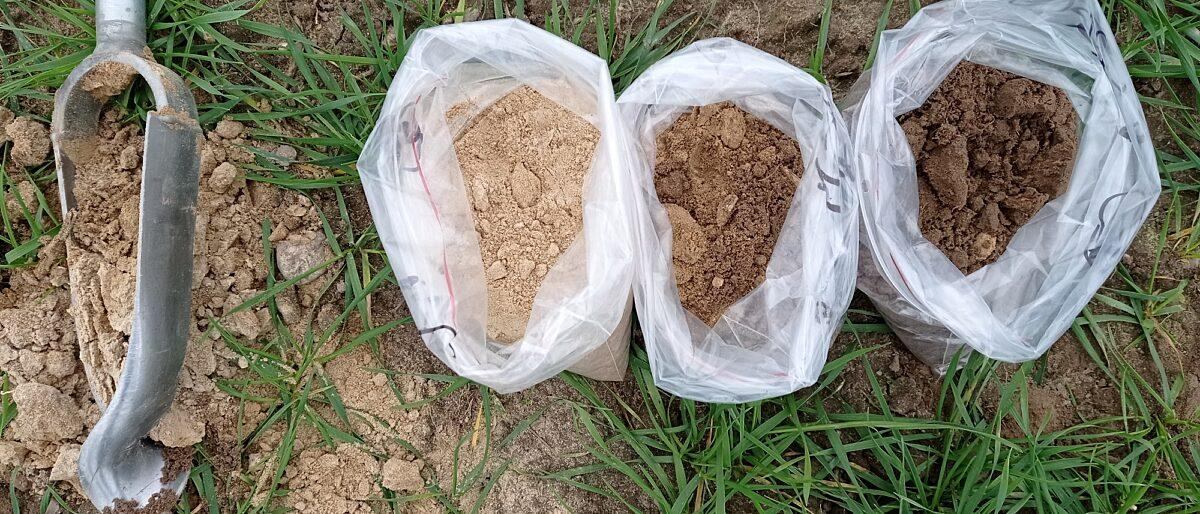
Sample quality is especially important. Submit approximately 100–500 g or equivalent of Greenhouse Sample, unless the laboratory specifies a different minimum after reviewing the method. The sample should represent the batch, location, patient, product, process stream or experimental condition that the customer actually wants to evaluate. Where the material is heterogeneous, replicate increments or a documented composite may be more defensible than a single convenient grab sample. Contamination, evaporation, moisture change, degradation, microbial growth, inappropriate anticoagulant, adsorption to the container, or alteration during transport can create a result that is analytically precise but not representative of the original material.
This listing is intended to help the customer request the correct laboratory work at the outset. It does not imply that every laboratory uses the same platform or holds accreditation for every method. Before testing starts, confirm any mandatory accreditation scope, standard edition, detection limit, turnaround requirement or regulatory reporting format.
For this exact catalogue entry, identify the request as “Seed-Borne Fungi Screen” and the matrix as “Greenhouse Sample”. If the project involves multiple samples, keep the naming scheme consistent so the result for one specimen cannot be confused with another. Tell the laboratory about known interferents, treatments, formulation ingredients, service history or unusual sample conditions that could affect Culture, enumeration and/or molecular confirmation as appropriate. The AnalysisAfrica listing should be used to arrange the test and sample logistics; the receiving laboratory remains responsible for confirming the final analytical procedure, sample acceptance and reportable scope. Catalogue quality-control reference AA-DESC-03491 distinguishes this description and its handling assumptions from other tests in the import set.
Sample & Submission Guide
Sample amount / volume100–500 g or equivalent or lesser
How to package the sampleFor Seed-Borne Fungi Screen, use a sterile, leak-proof specimen container or laboratory-issued sampling kit suitable for Greenhouse Sample. For chlorinated water, use a sterile bottle containing the correct sodium-thiosulfate neutralizer; do not rinse it. For food or solid matrices, use sterile sampling tools and a sterile bag or container. Keep the sample closed after collection, prevent cross-contamination, label it AA-03491 with source, batch/location and collection time, and transport in a clean cooler at the temperature specified by the method, generally chilled but not frozen unless instructed. Microbiological holding times are often short, so arrange collection and dispatch before sampling. Do not submit containers that are leaking, visibly contaminated externally or beyond the agreed holding time.
How to submit or send the sample- Pickup from your location
- Drop-off at a collection centre
Current pickup areas: Any Park around Ojuelegba - Yaba (Lagos, Nigeria), Any Park around Ota (Ogun State, Nigeria)
Collection centres: 104 Western Avenue; Suite C1, God's promise complex, Bells bus stop, Ota
Laboratory operating hoursMon 3 - Fri 2
Other important instructionsFor Seed-Borne Fungi Screen, provide the product or crop identity, batch/lot, origin, production or harvest date, processing state and the reason for testing. If the result will be used for regulatory, export, supplier or label-claim decisions, state the destination market and applicable limit or specification before analysis. Composition, fat content, moisture, fermentation, cooking and other matrix characteristics can affect extraction or recovery, so do not substitute a different product type after booking without notification. The expected analytical approach is Culture, enumeration and/or molecular confirmation as appropriate. For residue or contaminant testing, list known treatments or active ingredients when available; for microbiology, record storage temperature and elapsed time from sampling. Reference record AA-QA-03491.
Questions About Seed-Borne Fungi Screen - Greenhouse Sample
How much does Seed-Borne Fungi Screen - Greenhouse Sample cost?
The test price is ₦21,500. The amount shown on this page is the current test price before any eligible discount, delivery or collection charge.
How long does Seed-Borne Fungi Screen - Greenhouse Sample take?
The current estimated result delivery time is 7 days. Actual timing can depend on sample condition, preparation and laboratory workflow.
How much sample is required for Seed-Borne Fungi Screen - Greenhouse Sample?
The sample requirement shown by the laboratory is: 100–500 g or equivalent.
How should I package a sample for Seed-Borne Fungi Screen - Greenhouse Sample?
For Seed-Borne Fungi Screen, use a sterile, leak-proof specimen container or laboratory-issued sampling kit suitable for Greenhouse Sample. For chlorinated water, use a sterile bottle containing the correct sodium-thiosulfate neutralizer; do not rinse it. For food or solid matrices, use sterile sampling tools and a sterile bag or container. Keep the sample closed after collection, prevent cross-contamination, label it AA-03491 with source, batch/location and collection time, and transport in a clean cooler at the temperature specified by the method, generally chilled but not frozen unless instructed. Microbiological holding times are often short, so arrange collection and dispatch before sampling. Do not submit containers that are leaking, visibly contaminated externally or beyond the agreed holding time.
How can I send or submit my sample?
Allschoolabs currently accepts sample submission by Pickup from your location or Drop-off at a collection centre. Pickup areas currently listed in the booking database include Any Park around Ojuelegba - Yaba (Lagos, Nigeria), Any Park around Ota (Ogun State, Nigeria). Available collection centre information includes 104 Western Avenue; Suite C1, God's promise complex, Bells bus stop, Ota. Click the "Add to cart" button to continue booking and enter sample details.