







research service
Statistical Analysis
Need help analysing laboratory results? Get professional statistical support.
Analyse Results →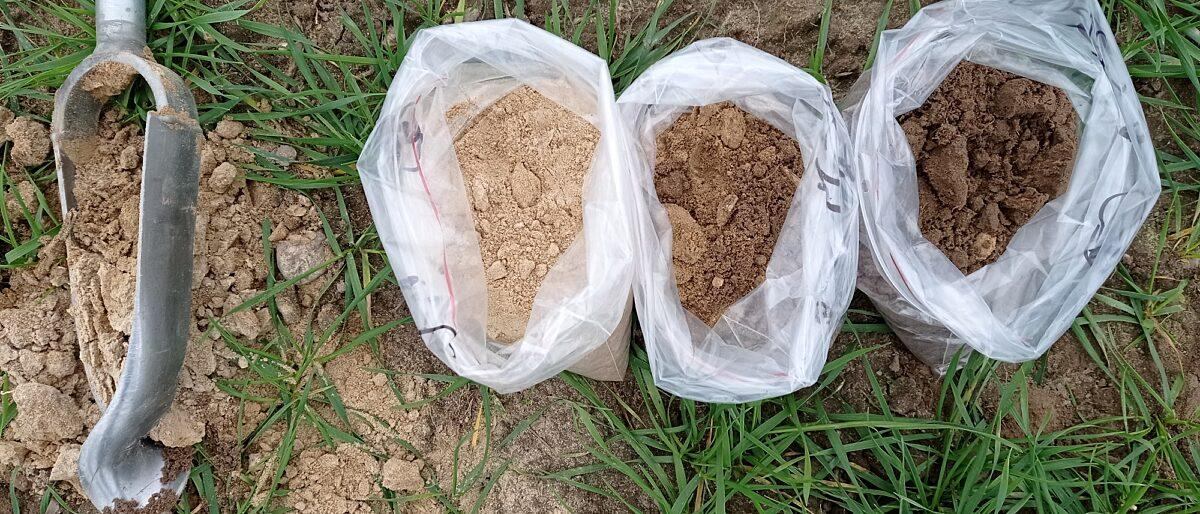
Lab: Allschoolabs Verified Lab · 3 day(s) estimated delivery · 51 views
For questions, please
.
We maintain strict confidentiality. We do not fabricate, alter, or manipulate results.
Whether you're a farmer, researcher, property developer, environmental consultant or simply planning to start a garden, understanding your soil is the first step towards making informed decisions. Our Soil Analysis service helps you discover exactly what's happening beneath the surface so you can improve crop yield, choose the right fertilisers or assess land suitability for your project.
At AnalysisAfrica, we carefully examine your soil sample to determine its physical and chemical properties. Depending on the analysis you request, we can measure pH, organic matter, nitrogen, phosphorus, potassium, calcium, magnesium, sodium, cation exchange capacity (CEC), electrical conductivity, moisture content, soil texture and other important nutrients. We also offer specialised testing for heavy metals and contaminants where required.
Our laboratory report provides accurate results together with an easy-to-understand interpretation, helping you understand your soil's fertility, nutrient status and any corrective measures that may be needed. If you're unsure which package is right for you, simply tell us what you plan to use the land for, and we'll recommend the most appropriate analysis.
Whether you're managing a farm, conducting research, landscaping a property or meeting regulatory requirements, we're here to provide reliable results you can trust.
The test price is ₦20,000. The amount shown on this page is the current test price before any eligible discount, delivery or collection charge.
The current estimated result delivery time is 3 days. Actual timing can depend on sample condition, preparation and laboratory workflow.
The sample requirement shown by the laboratory is: 500g.
Preparing your soil sample correctly helps us provide the most accurate results. Collect soil from several spots within the area you want to test, especially if it's a large field. Remove stones, leaves, roots and other debris before collecting the sample. Mix the collected soil thoroughly in a clean bucket to obtain a representative sample. Place approximately 500 g to 1 kg of the mixed soil into a clean, dry plastic bag or sample container. If you're testing different fields or locations, package each sample separately. Clearly label each sample with: Your name or organisation Sample identification Farm or location name Sampling depth (if known) Date of collection Intended crop or purpose (if applicable) Seal the bag securely to prevent contamination or moisture loss during transportation.
Allschoolabs currently accepts sample submission by Pickup from your location or Drop-off at a collection centre. Pickup areas currently listed in the booking database include Any Park around Ojuelegba - Yaba (Lagos, Nigeria), Any Park around Ota (Ogun State, Nigeria). Available collection centre information includes 104 Western Avenue; Suite C1, God's promise complex, Bells bus stop, Ota. Click the "Add to cart" button to continue booking and enter sample details.
Book this test, request pickup/drop-off, or ask the lab a question before payment.
Get Lab Materials Browse More TestsThese are optional related services. The appropriate next step depends on your project objective, methods and available data.
Need help analysing laboratory results? Get professional statistical support.
Analyse Results →Discuss the next technical step with a research specialist.
Get Consultation →Turn suitable research outputs into clear figures for reports or publications.
Create Figures →