About Turmeric Adulteration with Lead Chromate - Raw Ingredient
This service covers Turmeric Adulteration with Lead Chromate, a focused laboratory examination of Raw Ingredient. Its purpose is to generate defensible information about the requested constituent, contaminant, authenticity marker or microbiological target in the submitted food matrix, particularly when the result will support authenticity verification, adulteration investigations, label-claim support, supplier qualification and food-fraud control. The test should be treated as a controlled measurement rather than a generic screening label because sample preparation and method selection can materially change the result.
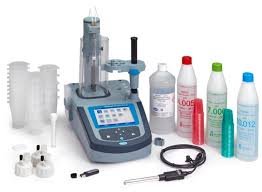
A typical technical approach is ICP-MS/ICP-OES or validated atomic spectrometric method. The exact instrument, standard, extraction, digestion, calibration model, culture condition, reagent system or specimen-processing step may differ according to the receiving laboratory's validated scope. Where an ASTM, ISO, IEC, EPA, FDA, pharmacopeial, clinical, customer or in-house method is mandatory, that requirement should be stated when the test is booked. The laboratory should also confirm that its working range, selectivity, detection capability and quality-control scheme are appropriate for the expected level of Turmeric Adulteration with Lead Chromate. Results produced outside a validated range may require dilution, repeat preparation, a different specimen quantity or a more sensitive method.
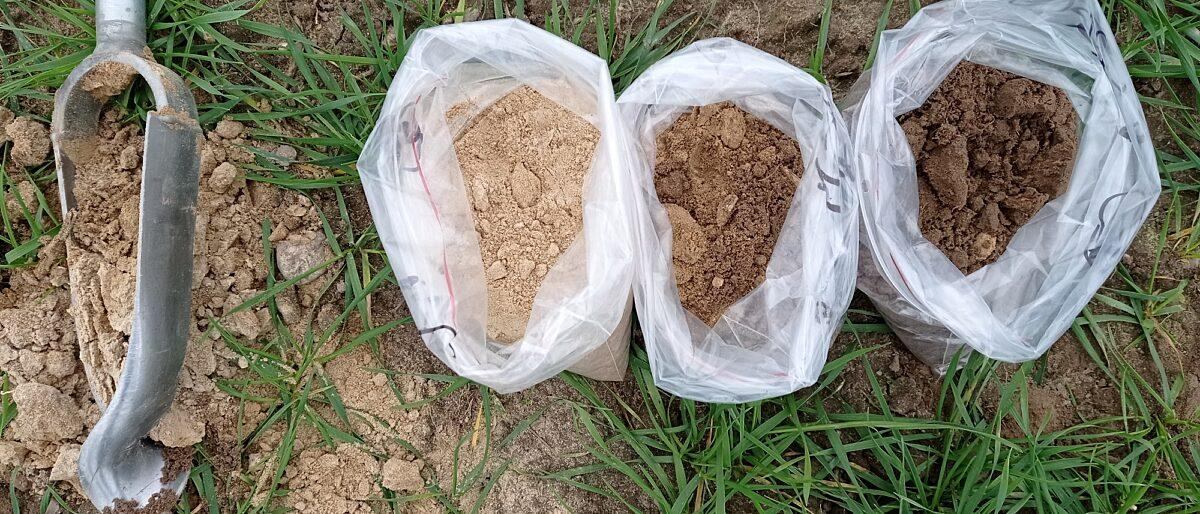
Sample quality is especially important. Submit approximately 100–500 g or equivalent of Raw Ingredient, unless the laboratory specifies a different minimum after reviewing the method. The sample should represent the batch, location, patient, product, process stream or experimental condition that the customer actually wants to evaluate. Where the material is heterogeneous, replicate increments or a documented composite may be more defensible than a single convenient grab sample. Contamination, evaporation, moisture change, degradation, microbial growth, inappropriate anticoagulant, adsorption to the container, or alteration during transport can create a result that is analytically precise but not representative of the original material.
If the initial result is unexpected, the most useful next step is usually to review sampling, preservation, method suitability, controls and specification before automatically requesting a retest. A repeat on the same compromised sample may reproduce the same bias. When practical, reserve material or an independently collected sample can strengthen an investigation.
For this exact catalogue entry, identify the request as “Turmeric Adulteration with Lead Chromate” and the matrix as “Raw Ingredient”. If the project involves multiple samples, keep the naming scheme consistent so the result for one specimen cannot be confused with another. Tell the laboratory about known interferents, treatments, formulation ingredients, service history or unusual sample conditions that could affect ICP-MS/ICP-OES or validated atomic spectrometric method. The AnalysisAfrica listing should be used to arrange the test and sample logistics; the receiving laboratory remains responsible for confirming the final analytical procedure, sample acceptance and reportable scope. Catalogue quality-control reference AA-DESC-03091 distinguishes this description and its handling assumptions from other tests in the import set.
Sample & Submission Guide
Sample amount / volume100–500 g or equivalent or lesser
How to package the sampleFor Turmeric Adulteration with Lead Chromate, submit 100–500 g or equivalent of the Raw Ingredient in its original unopened package where possible, or transfer a representative portion with clean, inert tools into a new food-, pharmaceutical- or laboratory-grade container compatible with the material. Seal against leakage, moisture gain/loss and cross-contamination, and protect light-sensitive or temperature-sensitive material as appropriate. Mark each container AA-03091 with product/sample name, batch or lot, production/collection date and storage condition. For heterogeneous material, collect a composite or multiple representative increments rather than only the surface portion. Keep chilled, frozen or ambient only as required by the product and the selected method. Declare preservatives, formulation ingredients, extraction solvent or known hazards that may interfere with ICP-MS/ICP-OES or validated atomic spectrometric method.
How to submit or send the sample- Pickup from your location
- Drop-off at a collection centre
Current pickup areas: Ojuelegba - Yaba, Lagos (A rider would pick up and deliver to us for), Sango Ota Underbridge, Ogun. (Preferred) (A Rider would pick and deliver to us for)
Collection centres: 104 Western Avenue; God's promise building, Bells Drive, Ota
Laboratory operating hoursMon 3 - Fri 2
Other important instructionsFor Turmeric Adulteration with Lead Chromate, provide the product or crop identity, batch/lot, origin, production or harvest date, processing state and the reason for testing. If the result will be used for regulatory, export, supplier or label-claim decisions, state the destination market and applicable limit or specification before analysis. Composition, fat content, moisture, fermentation, cooking and other matrix characteristics can affect extraction or recovery, so do not substitute a different product type after booking without notification. The expected analytical approach is ICP-MS/ICP-OES or validated atomic spectrometric method. For residue or contaminant testing, list known treatments or active ingredients when available; for microbiology, record storage temperature and elapsed time from sampling. Reference record AA-QA-03091.
Questions About Turmeric Adulteration with Lead Chromate - Raw Ingredient
How much does Turmeric Adulteration with Lead Chromate - Raw Ingredient cost?
The test price is ₦90,000. The amount shown on this page is the current test price before any eligible discount, delivery or collection charge.
How long does Turmeric Adulteration with Lead Chromate - Raw Ingredient take?
The current estimated result delivery time is 7 days. Actual timing can depend on sample condition, preparation and laboratory workflow.
How much sample is required for Turmeric Adulteration with Lead Chromate - Raw Ingredient?
The sample requirement shown by the laboratory is: 100–500 g or equivalent.
How should I package a sample for Turmeric Adulteration with Lead Chromate - Raw Ingredient?
For Turmeric Adulteration with Lead Chromate, submit 100–500 g or equivalent of the Raw Ingredient in its original unopened package where possible, or transfer a representative portion with clean, inert tools into a new food-, pharmaceutical- or laboratory-grade container compatible with the material. Seal against leakage, moisture gain/loss and cross-contamination, and protect light-sensitive or temperature-sensitive material as appropriate. Mark each container AA-03091 with product/sample name, batch or lot, production/collection date and storage condition. For heterogeneous material, collect a composite or multiple representative increments rather than only the surface portion. Keep chilled, frozen or ambient only as required by the product and the selected method. Declare preservatives, formulation ingredients, extraction solvent or known hazards that may interfere with ICP-MS/ICP-OES or validated atomic spectrometric method.
How can I send or submit my sample?
Allschoolabs currently accepts sample submission by Pickup from your location or Drop-off at a collection centre. Pickup areas currently listed in the booking database include Ojuelegba - Yaba, Lagos (A rider would pick up and deliver to us for), Sango Ota Underbridge, Ogun. (Preferred) (A Rider would pick and deliver to us for). Available collection centre information includes 104 Western Avenue; God's promise building, Bells Drive, Ota. Click the "Add to cart" button to continue booking and enter sample details.